Seawoods Hospital

How Specialized Medical Care Improves Treatment Outcomes

By Seawoods Hospital

In the complex world of modern medicine, the phrase "jack of all trades, master of none" often rings true. While general practitioners are the vital gatekeepers of our health, there comes a point in many medical journeys where general knowledge is no longer enough.

At Seawoods Hospital, we have observed a clear correlation: patients who receive specialized care for specific conditions recover faster, experience fewer complications, and report higher long-term satisfaction. But how exactly does specialization translate into better results?

Here is a look at how specialized medical care changes the game for patient outcomes.

1. Precision Diagnosis: Getting It Right the First Time

The first step to a cure is an accurate diagnosis. Medical specialists—whether they are neurologists, oncologists, or orthopedists—have spent years focusing on a single system of the body. This depth of knowledge allows them to recognize subtle patterns and rare symptoms that a generalist might miss.

An accurate, early diagnosis prevents weeks of "trial and error" treatments, ensuring you get on the right path to recovery immediately.

2. Experience Matters

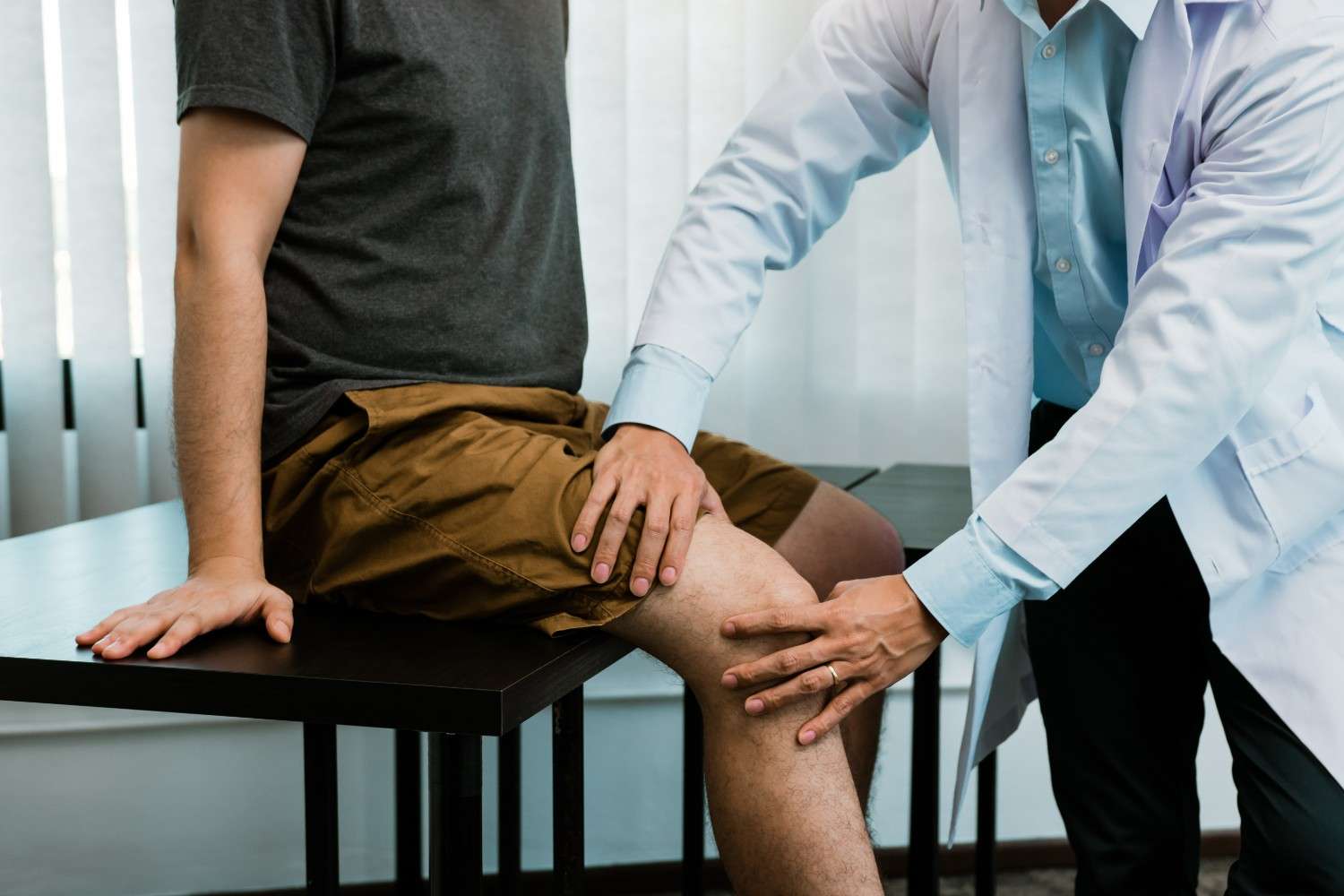
In medicine, volume equals expertise. A surgeon who performs a specific knee replacement procedure 200 times a year is naturally going to have better outcomes than one who performs it only occasionally.

Specialized care centers attract doctors who live and breathe their specialty. They are up-to-date with the latest research, the newest drugs, and the most effective surgical techniques. This "high-volume" experience significantly lowers the risk of surgical complications and hospital readmissions.

3. Access to Advanced Technology

Specialized departments are often equipped with state-of-the-art technology tailored to that field.

This integration of technology and expertise allows for minimally invasive procedures, which leads to less pain, smaller scars, and faster return to daily life for the patient.

4. A Multidisciplinary Approach

Specialized care rarely happens in a silo. At Seawoods Hospital, specialized care often means a "Multidisciplinary Team" (MDT) approach. For example, a diabetic patient doesn't just need an endocrinologist; they may also need a dietician, a nephrologist (kidney specialist), and a podiatrist.

When specialists collaborate, they create a comprehensive safety net around the patient, addressing every angle of the disease simultaneously.

5. Personalized Treatment Plans

General guidelines work for the average patient, but specialized care recognizes that you are unique. Specialists are better equipped to tailor treatments to your genetic makeup, lifestyle, and personal goals. It is not just about treating the disease; it is about treating the person with the disease.

Conclusion: Investing in Your Future Health

Choosing specialized care is a decision to prioritize quality and safety. While it may seem like an extra step to see a specialist, the data is clear: specialized attention leads to better survival rates and a higher quality of life.

At Seawoods Hospital, our centers of excellence are designed with one goal in mind: to provide you with the expert care you need to get back to the life you love.

Conclusion: Investing in Your Future Health

Our team of specialists is here to help. Contact Seawoods Hospital today to schedule an appointment with an expert in your specific health needs.

Recent Blogs

Edit Template

Our Treatments

Edit Template

Book Appointment

Easily schedule your appointment by filling out our simple form

Popup On Btn
Edit Template