
Seawoods Hospital

knee replacement warning signs before retirement age

Home/ Blogs/ knee-replacement-warning-signs-before-retirement-age Orthopaedics & Robotic Knee Replacement Warning Signs That Indicate You Need Knee Replacement Surgery Without Waiting for Retirement Age Understand when persistent pain, night pain, stiffness, deformity, loss of independence and failed non-surgical treatment may justify a knee-replacement evaluation regardless of age. Knee Pain Affecting Work, Sleep or Daily Life? Discuss X-rays, arthritis severity, non-surgical treatment, implant options, robotic knee replacement, rehabilitation and realistic recovery expectations. Call +91 93203 85320 Knee pain is no longer just a problem for older people. Across India, millions of adults in their thirties, forties, and fifties suffer from severe joint damage that makes every step painful. In fact, more than two and a half million knee replacement procedures are performed in India every single year. Many people delay getting help because they believe surgery is only meant for retirement age, but waiting too long can actually cause more harm to your body. Living with constant knee pain does not have to be your normal. When simple treatments like medicines and physical exercises no longer provide relief, age should not be the reason you suffer in silence. This article covers the clear warning signs that show it is time to consider knee replacement surgery without waiting for your retirement years. 01 Age alone does not determine whether joint replacement is appropriate 02 Night pain, stiffness, deformity and failed treatment suggest advanced disease 03 Early evaluation can address muscle weakness and altered walking before they worsen Why Your Age Does Not Matter When Your Knees Hurt Many adults believe they must reach sixty before considering joint surgery. Modern medicine looks at how much pain you feel rather than the number on your birth certificate. If severe pain stops you from working, playing with your children, or completing daily chores, your age should not hold you back from getting relief. How Waiting Too Long Hurts Your Body More Delaying care while waiting for retirement age can weaken your whole body. When you favor one leg to avoid pain, your muscle strength vanishes quickly. This causes abnormal strain on your hips and back. Consulting medical experts at a hospital in Navi Mumbai helps you understand how early treatment protects your overall health before joint damage creates secondary physical problems. Why Younger Patients Can Safely Choose Surgery Today Surgical methods have improved dramatically over the last two decades. Younger patients often recover much faster because their bodies are naturally stronger and more resilient. Choosing to receive care at a reputable hospital in Navi Mumbai gives younger adults access to durable implants designed to support active daily routines. Key Signs You Should Stop Waiting and Get Help Recognizing the early warning signs of joint failure helps you take control of your health. Here are the clear signals that show your knee needs serious medical attention. You Feel Severe Knee Pain That Never Goes Away Persistent pain during simple daily tasks is a strong warning sign. If walking to the local shop, climbing stairs, or cooking meals causes severe discomfort, your joint is struggling. When daily activities become a constant struggle, visiting a hospital in Navi Mumbai can provide you with a clear roadmap to recovery. Your Knees Hurt Even When You Rest or Sleep in Bed Pain that stays with you while you are sitting still or sleeping indicates advanced joint wear. When pain wakes you up at night, your body is unable to rest and heal properly. This level of discomfort usually means the joint cushion is severely damaged. Your Joint Feels Very Stiff and Hard to Bend If your leg feels locked or stiff when you try to stand up from a chair, your joint health is declining. Severe stiffness makes basic movements like getting in a car or sitting on the floor nearly impossible. Your Leg Shape Begins to Bend Inward or Outward Advanced joint wear often causes visible structural changes in your leg alignment. Your leg may begin to bow outward or knock inward. This physical change disrupts your balance and increases your risk of falling. Your Knee Wears Down Until Bones Rub Together When cartilage wears away completely, the bones inside your joint start to rub directly against each other. This creates a grinding feeling and causes noticeable swelling that does not improve with simple rest. Simple Treatments No Longer Give You Relief In the early stages, pain medicines, physical therapy, and joint shots can help. However, if you have tried these treatments for six months without success, it means they are no longer fixing the root problem. An expert team at a hospital in Navi Mumbai can evaluate whether surgery is the logical next step. Daily Pain Ruins Your Independence and Happiness Chronic pain affects your mind as much as your body. If knee trouble forces you to decline social invitations, stay home, or feel constantly drained, it is taking away your quality of life. Regaining your independence is a valid reason to choose medical intervention. Evaluation Does Not Automatically Mean Surgery An orthopaedic specialist can assess X-rays, pain, function, joint deformity and previous treatment before deciding whether continued non-surgical care or replacement is appropriate. Call +91 93203 85320 Robotic Knee Replacement What Happens to Your Body If You Delay Needed Surgery Waiting years for surgery often turns a manageable condition into a complex health issue. Understanding these risks helps you make an informed choice today. Your Leg Muscles Become Weak and Shrink Limping to avoid pain causes the muscles supporting your leg to weaken rapidly. Weak muscles make post-surgery rehabilitation much harder because your leg has less baseline strength to build upon during recovery. Your Hip and Back Suffer from Bad Walking Habits Your body naturally adapts to avoid joint pain by altering the way you walk. This uneven movement places unnatural stress on your spine and hip joints, often leading to new chronic pain in those areas. Future Surgery Becomes Much Harder to Perform Prolonged joint inflammation leads to stiff scar tissue and weaker bone structure around the

Laparoscopic surgery faster recovery less pain

Home / Blogs / laparoscopic-surgery-faster-recovery-less-pain General & Laparoscopic Surgery Why Minimally Invasive Laparoscopic Surgery Offers Faster Recovery and Less Pain Than Open Surgery Understand how small incisions, camera-guided precision and reduced muscle disruption can support less pain, shorter hospital stays, smaller scars and a faster return to routine. Considering Hernia or Gallbladder Surgery? Discuss open and laparoscopic options, anaesthesia, hospital stay, pain control, wound care, work leave, lifting restrictions and expected recovery. Call +91 93203 85320 When a doctor tells you that you need surgery for a hernia or gallbladder problem, your first thought is usually about how much it will hurt and how long the recovery will take. In India alone, surgeons performed over 1.18 million hernia repair procedures in 2022. For many of these patients, choosing the right type of operation made a huge difference in their daily lives. In the past, traditional open surgery was the only option. This method required making a large cut through the skin and muscle, which often meant more pain and weeks of bed rest. Today, modern keyhole surgery, also known as laparoscopic surgery, has changed the healing experience completely. By using tiny openings and a small camera, surgeons can fix internal problems without causing heavy damage to your body. This article explores why keyhole surgery is now the preferred choice for doctors and patients. You will learn how smaller cuts lead to less discomfort, fewer complications, and a much faster return to your work and everyday routine. 01 Small incisions reduce disruption to skin and abdominal muscles 02 Early walking and shorter hospital stays may support faster recovery 03 Open surgery remains important when complexity or safety requires it What is Keyhole Surgery and How Does It Work Understanding how keyhole surgery works makes it easy to see why it is so gentle on the body. Instead of making one large opening, the surgeon uses advanced tools to see and repair inside the abdomen with great accuracy. The Use of Tiny Cuts and Small Cameras During keyhole surgery, the doctor makes a few small marks on your skin, usually no wider than a fingernail. A thin tube with a lighted camera goes through one of the openings, sending high-definition video to a screen in the operating room. Through the other tiny openings, the surgeon inserts small instruments to perform the operation. How Open Surgery Differs From Keyhole Surgery Traditional open surgery requires a large cut across the abdomen so the doctor can reach the organs directly. This means slicing through layers of skin, fat, and muscle. That large opening causes more disturbance to your body, which is why open surgery usually requires a longer and harder recovery period. Why Keyhole Surgery Causes Much Less Pain Because keyhole surgery avoids large cuts, the body experiences much less shock during the operation. This gentle approach directly changes how you feel when you wake up. Protecting Muscles and Deep Tissues From Damage The main reason open surgery hurts so much is that deep muscles are cut and pulled apart. Keyhole surgery avoids this damage completely. By slipping small tools through tiny spaces, your muscles stay healthy and intact. With less tissue injury, your body produces much less swelling and soreness after the operation. Needing Fewer Pain Pills After Surgery When your muscles are protected, your recovery is much more comfortable. Studies show that patients who choose keyhole surgery need about 42 percent fewer pain medicines during the first two days. Instead of relying on strong painkillers, most people manage well with simple, mild pain relief. Discuss the Surgical Approach Before the Procedure The safest method depends on the diagnosis, previous operations, scar tissue, anaesthesia fitness, disease complexity, and the surgeon’s assessment. Call +91 93203 85320 View Laparoscopic Surgery Care Why Recovery Time is Much Shorter Feeling less pain is only the first benefit. When your body does not have to heal a large wound, your overall recovery speeds up significantly. Walking Within Hours of the Operation Sitting in bed for days can actually slow down your healing. With keyhole surgery, most patients are able to stand up and walk within four to six hours after leaving the operating room. Moving around early helps your lungs stay clear, improves blood flow, and gets your digestive system working again. Going Home From the Hospital Sooner Because the body heals quickly, you do not need to stay in a patient room for very long. Most people who undergo keyhole surgery stay overnight for just one or two days, and some even go home the same evening. If you are having your procedure at a hospital in Navi Mumbai, this shorter stay means you can get back to the comfort of your own home much faster. Returning to Normal Daily Life and Work in Days The most exciting benefit for patients is how soon they can resume their normal lives. People who have traditional open surgery often need four to six weeks of rest before they can work or lift groceries. With keyhole surgery, most patients return to light daily activities in just three to five days, and get back to full activities within two weeks. How Small Cuts Prevent Complications A smoother recovery also means avoiding unexpected problems after you leave the hospital. Small openings provide a natural shield against common surgical complications. Lower Chance of Germs and Infections Every time the skin is opened, germs have a chance to enter the body. A large surgical cut exposes a wide area to the outside air, while a tiny keyhole mark keeps the inside of your body protected. This small opening reduces your chance of developing a wound infection. Less Blood Loss During Surgery The high-definition camera gives the surgeon a clear, magnified view of tiny blood vessels. This accuracy allows the doctor to avoid damaging small blood channels, which leads to much less bleeding during the operation. Smaller Scars and Safer Healing Instead of a long scar across your belly, keyhole surgery leaves behind a few

Revolutionizing Knee Surgery: Why Robotic Precision Matters
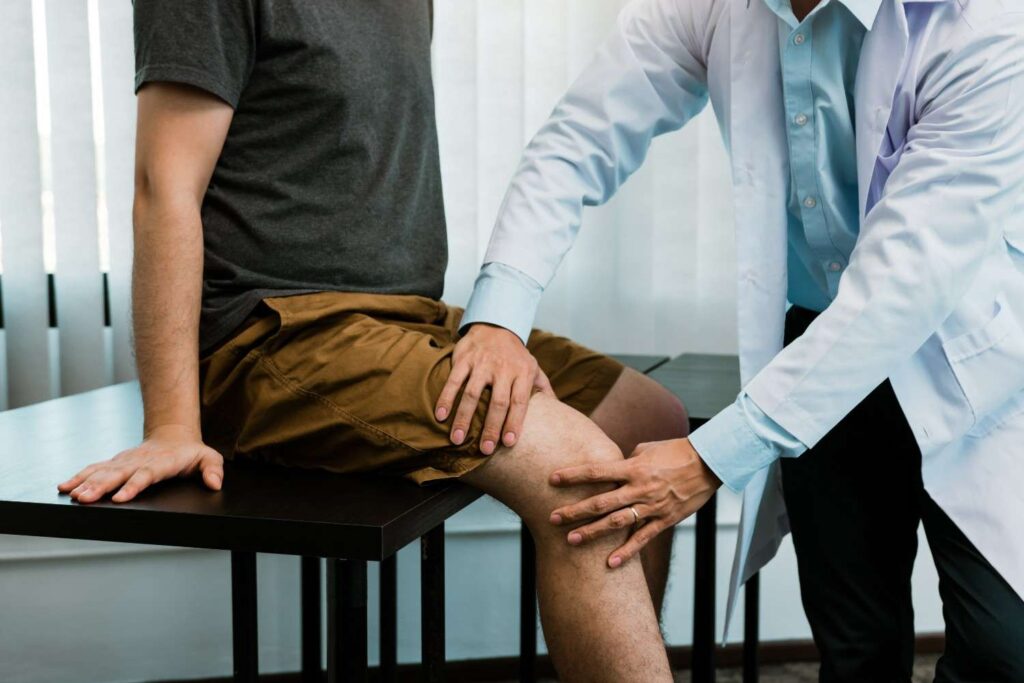
For years, knee replacement surgery has been a life-changing solution for millions suffering from severe arthritis. But as medical technology evolves, so does the definition of a “successful” surgery. It is no longer just about walking again; it is about walking comfortably, naturally, and recovering faster.

How Specialized Medical Care Improves Treatment Outcomes

In the complex world of modern medicine, the phrase “jack of all trades, master of none” often rings true. While general practitioners are the vital gatekeepers of our health, there comes a point in many medical journeys where general knowledge is no longer enough.